AGI Robot Meaning: What Is Artificial General Intelligence Robots & How They Work
Learn the complete AGI robot meaning, how Artificial General Intelligence robots work, their benefits, real-world applications, risks, and future impact on humanity.
AGI Robot Meaning Explained in Simple Terms
The term AGI robot is becoming increasingly popular as artificial intelligence continues to evolve beyond basic automation. Many people ask: What is the real AGI robot meaning?
An AGI robot refers to a machine powered by Artificial General Intelligence (AGI) that can understand, learn, reason, and perform tasks across multiple domains just like a human being. Unlike traditional AI robots that are limited to specific functions, AGI robots can adapt to new situations without being reprogrammed.
In this guide, we will explain the AGI robot meaning, how it differs from narrow AI, its applications, benefits, risks, and what the future holds.
What Is AGI (Artificial General Intelligence)?
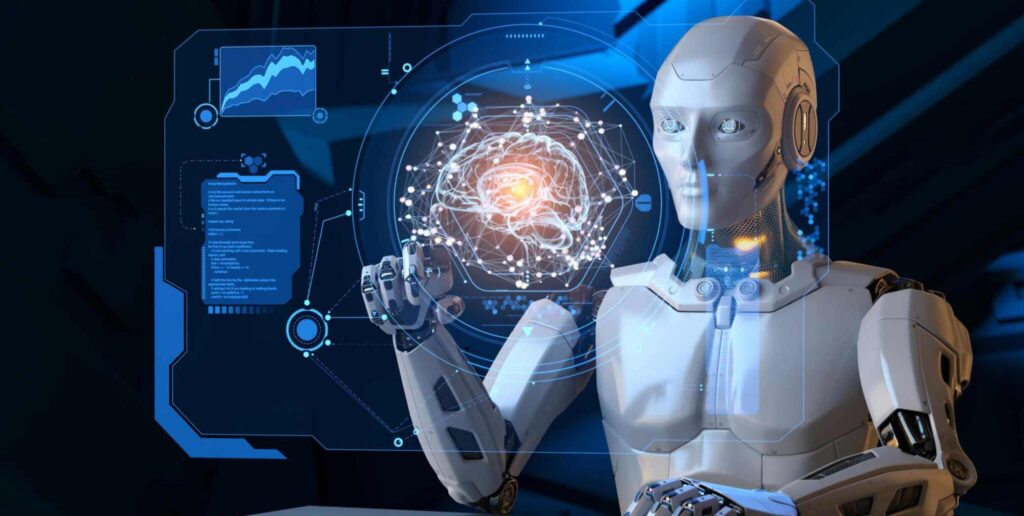
Artificial General Intelligence, or AGI, is a form of intelligence where machines possess human-level cognitive abilities. This means they can:
- Think logically
- Learn from experience
- Solve unfamiliar problems
- Understand context and emotions
- Transfer knowledge between tasks
To understand AGI deeply, you can read this detailed guide:
What Is AGI
AGI is not limited to one function like chatbots or image recognition. Instead, it aims to replicate the general intelligence of humans.
AGI Robot Meaning in Practical Language
Simply put, the AGI robot meaning is:
A robot that can think, learn, and act independently across different environments using Artificial General Intelligence.
An AGI robot would not only follow instructions but also:
- Make decisions on its own
- Learn new skills without coding
- Understand human language naturally
- Adapt to unpredictable situations
This makes AGI robots fundamentally different from today’s smart machines.
Difference Between AGI Robots and Traditional AI Robots
Narrow AI Robots
Traditional AI robots are powered by narrow AI, meaning they are designed for one specific task, such as:
- Factory assembly
- Voice assistants
- Customer service chatbots
They cannot think beyond their programming.
AGI Robots
AGI robots can:
- Perform multiple tasks
- Learn like humans
- Switch roles easily
- Improve performance over time
This flexibility is what makes AGI robots revolutionary.
How Do AGI Robots Work?
AGI robots combine multiple advanced technologies, including:
Machine Learning and Deep Learning
AGI robots continuously learn from data and experiences rather than relying on static rules.
Cognitive Architecture
This allows AGI robots to reason, plan, and make decisions like the human brain.
Sensors and Perception Systems
AGI robots use cameras, microphones, and touch sensors to understand their environment in real time.
Natural Language Processing
They can communicate with humans naturally, understanding context, tone, and intent.
Real-World Applications of AGI Robots
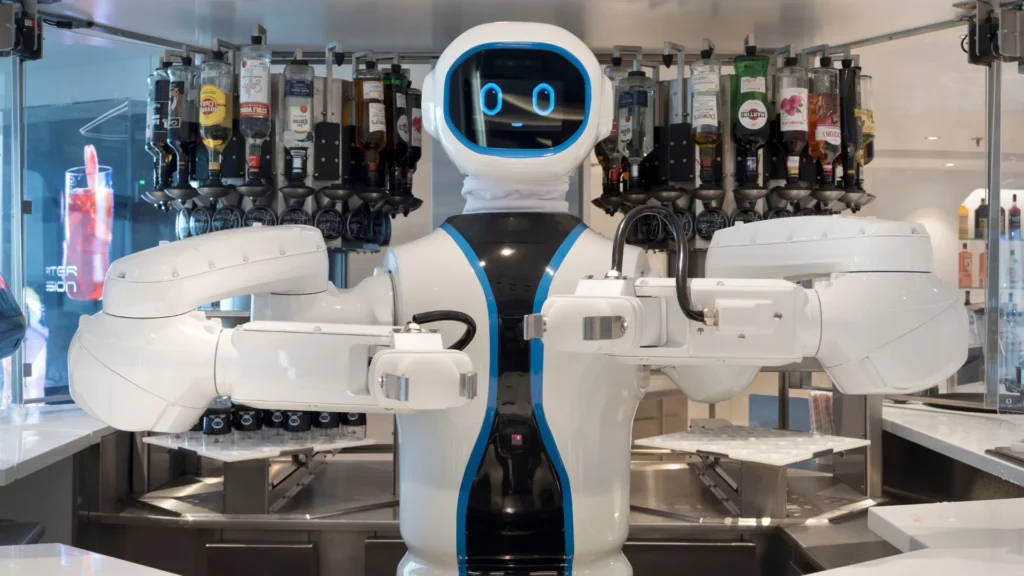
Although true AGI robots are still under development, their future applications include:
Healthcare
- Performing complex surgeries
- Diagnosing diseases
- Providing elderly care
Education
- Personalized tutoring
- Adaptive learning systems
- Skill training
Business and Marketing
AGI robots can revolutionize marketing strategies using intelligent automation tools like:
AI Marketing Tools With No Restrictions
Space Exploration
- Autonomous exploration
- Problem-solving in unknown environments
Smart Cities
- Traffic control
- Energy optimization
- Public safety monitoring
Benefits of AGI Robots
AGI robots offer several powerful advantages:
- Human-like reasoning
- Higher productivity
- Reduced human error
- Ability to work 24/7
- Rapid learning and adaptation
These benefits make AGI robots a game-changer across industries.
Risks and Ethical Concerns of AGI Robots
Despite their advantages, AGI robots also raise serious concerns:
Job Displacement
AGI robots could replace human jobs in multiple sectors.
Control and Safety
Uncontrolled AGI systems could make unpredictable decisions.
Ethical Responsibility
Who is responsible if an AGI robot causes harm?
According to research and discussions shared on Wikipedia, AGI development must be handled carefully to ensure safety and alignment with human values:
AGI Robots vs Human Intelligence
AGI robots aim to match human intelligence but differ in key ways:
| Feature | Humans | AGI Robots |
|---|---|---|
| Emotions | Natural | Simulated |
| Learning Speed | Slow | Extremely Fast |
| Creativity | Emotional | Data-driven |
| Fatigue | Yes | No |
AGI robots may surpass humans in speed and accuracy but lack true consciousness.
Are AGI Robots Available Today?
Currently, true AGI robots do not fully exist. Most systems today are advanced narrow AI. However, companies like OpenAI, DeepMind, and others are actively researching AGI-level systems.
Experts predict that AGI robots may emerge within the next few decades.
Future of AGI Robots
The future of AGI robots includes:
- Human-robot collaboration
- Fully autonomous decision-making
- Ethical AI governance
- Advanced scientific discoveries
AGI robots may become partners rather than replacements for humans.
Frequently Asked Questions (FAQ)
Q1: What is the simple meaning of AGI robot?
An AGI robot is a machine that uses Artificial General Intelligence to think, learn, and perform tasks like a human.
Q2: Is AGI better than AI?
AGI is more advanced than traditional AI because it can handle multiple tasks and adapt to new situations.
Q3: Are AGI robots dangerous?
They can be risky if not properly controlled, which is why ethical guidelines are essential.
Q4: When will AGI robots become common?
Experts estimate widespread use may happen between 2035 and 2050.
Final Thoughts
Understanding the AGI robot meaning is essential as we move toward a future driven by intelligent machines. AGI robots represent the next evolution of artificial intelligence, offering human-like reasoning, adaptability, and problem-solving abilities.
While the benefits are enormous, responsible development, ethical standards, and safety measures are critical. AGI robots should enhance human life, not replace or harm it.
If developed wisely, AGI robots could redefine how humans work, learn, and live in the digital age.