Artificial Intelligence and the Future of Teaching and Learning | AI in Education 2026
Discover how artificial intelligence and the future of teaching and learning are transforming education. Explore AI-powered classrooms, personalized learning, smart assessment, benefits, challenges, and future trends in education.
Artificial Intelligence and the Future of Teaching and Learning
Artificial intelligence and the future of teaching and learning have become deeply connected as education systems worldwide shift toward digital and intelligent solutions. AI is no longer a futuristic idea; it is actively transforming classrooms, teaching strategies, learning outcomes, and educational institutions. From personalized learning paths to automated assessments, AI is redefining how teachers teach and how students learn.
As we move further into the digital age, understanding the role of AI in education is essential for educators, students, institutions, and policymakers.
Understanding Artificial Intelligence in Education
Artificial intelligence refers to computer systems that can perform tasks requiring human intelligence, such as learning, reasoning, problem-solving, and decision-making. In education, AI is used to analyze learning behavior, adapt content, automate administrative work, and improve overall teaching efficiency.
AI-powered tools can evaluate student performance, identify learning gaps, and recommend personalized study materials. This data-driven approach makes learning more effective and inclusive.
How AI Is Changing Teaching Methods
Personalized Teaching Approaches
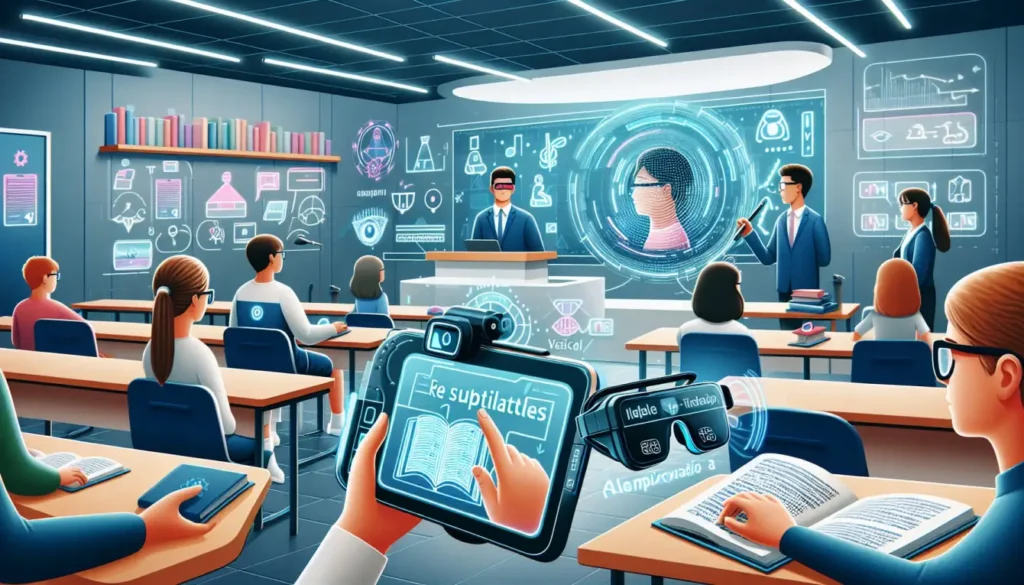
One of the biggest impacts of artificial intelligence and the future of teaching and learning is personalization. AI systems analyze students’ learning styles, speed, and performance to create customized lesson plans. Teachers can use AI insights to focus on individual student needs rather than using a one-size-fits-all approach.
Smart Lesson Planning
AI helps educators design smarter lesson plans by suggesting relevant content, activities, and assessments. Many educators already rely on platforms highlighted in Best AI Tools for Teachers in 2025: Smart Teaching, Time Saving & Better Learning to reduce workload and improve teaching quality.
Automated Administrative Tasks
Teachers spend a significant amount of time on grading, attendance, and reports. AI automates these repetitive tasks, allowing educators to focus more on creativity, mentoring, and student engagement.
The Role of AI in Student Learning
Adaptive Learning Systems
AI-driven learning platforms adjust content difficulty based on student performance. If a learner struggles with a concept, the system provides additional explanations, practice exercises, or alternative learning resources.
24/7 Virtual Tutors
AI chatbots and virtual tutors provide instant support to students outside classroom hours. These systems answer questions, explain topics, and guide students through assignments, making learning continuous and accessible.
Improved Student Engagement
Gamification, interactive simulations, and AI-powered educational apps increase student motivation and engagement. These tools make learning more interactive and enjoyable, especially for younger learners.
Artificial Intelligence in Higher Education
Smart Universities and Intelligent Systems
Artificial intelligence and the future of teaching and learning are especially visible in universities. AI supports admissions, academic advising, research analysis, and learning management systems. Institutions are adopting intelligent platforms to enhance student success and institutional efficiency.
A deeper look into this transformation can be found in AI in Higher Education: Transforming Universities with Intelligent Learning Systems, which explains how AI is reshaping modern universities.
Data-Driven Decision Making
AI helps universities analyze large amounts of student data to improve curriculum design, retention rates, and academic performance. Predictive analytics identify students at risk and enable early interventions.
Benefits of Artificial Intelligence in Education
- Personalized learning experiences
- Reduced teacher workload
- Faster and fairer assessments
- Increased accessibility for remote learners
- Better learning outcomes through data insights
According to global education research, AI can significantly improve learning equity and quality when implemented responsibly. Organizations like UNESCO emphasize the ethical and inclusive use of AI in education to ensure fairness and transparency.
Challenges and Ethical Concerns
Data Privacy and Security
AI systems rely on student data, raising concerns about privacy and data protection. Educational institutions must ensure secure data handling and ethical AI practices.
Teacher Training and Adaptation
Successful AI integration requires proper training for educators. Teachers must learn how to use AI tools effectively without feeling replaced by technology.
Digital Divide
Not all students have equal access to AI-powered technologies. Bridging the digital divide is essential to ensure inclusive and fair education for all learners.
The Future of Teaching and Learning with AI
Human-AI Collaboration
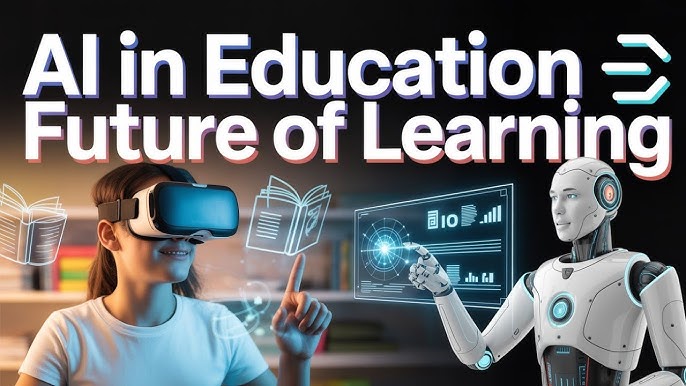
AI will not replace teachers but will support them. The future classroom will focus on collaboration between human educators and intelligent systems, combining emotional intelligence with data-driven insights.
Lifelong Learning and Skill Development
AI will promote continuous learning by helping individuals reskill and upskill throughout their lives. Education will become more flexible, personalized, and career-oriented.
Smarter Global Education Systems
Governments and institutions will use AI to improve education policies, curriculum standards, and learning outcomes on a global scale.
FAQs: Artificial Intelligence and the Future of Teaching and Learning
What is the role of artificial intelligence in education?
AI helps personalize learning, automate tasks, analyze performance, and enhance teaching efficiency through intelligent systems.
Will AI replace teachers in the future?
No, AI is designed to assist teachers, not replace them. Human interaction, creativity, and emotional support remain essential in education.
How does AI improve student learning outcomes?
AI adapts learning content, provides instant feedback, and identifies learning gaps, helping students understand concepts more effectively.
Is AI safe to use in education?
AI is safe when used responsibly with proper data protection, ethical guidelines, and transparency.
Final Thoughts
Artificial intelligence and the future of teaching and learning are shaping a new era of education that is smarter, more personalized, and more inclusive. AI empowers teachers, supports students, and improves institutional efficiency. However, successful implementation depends on ethical use, proper training, and equal access to technology.
As education continues to evolve, embracing AI responsibly will be the key to building a future-ready learning ecosystem that benefits everyone.