Discover how AI in higher education is reshaping universities through personalized learning, smart assessments, academic research, and future-ready skills for students and educators.
AI in Higher Education: A New Era of Smart Learning
Artificial Intelligence (AI) is no longer a futuristic concept; it has become an essential part of modern education systems. AI in higher education is transforming how universities teach, assess, research, and support students. From personalized learning paths to intelligent grading systems, AI is helping institutions improve efficiency, accessibility, and academic outcomes.
As universities face growing student populations, diverse learning needs, and digital transformation challenges, AI provides scalable and innovative solutions that redefine traditional education models.
Understanding AI in Higher Education
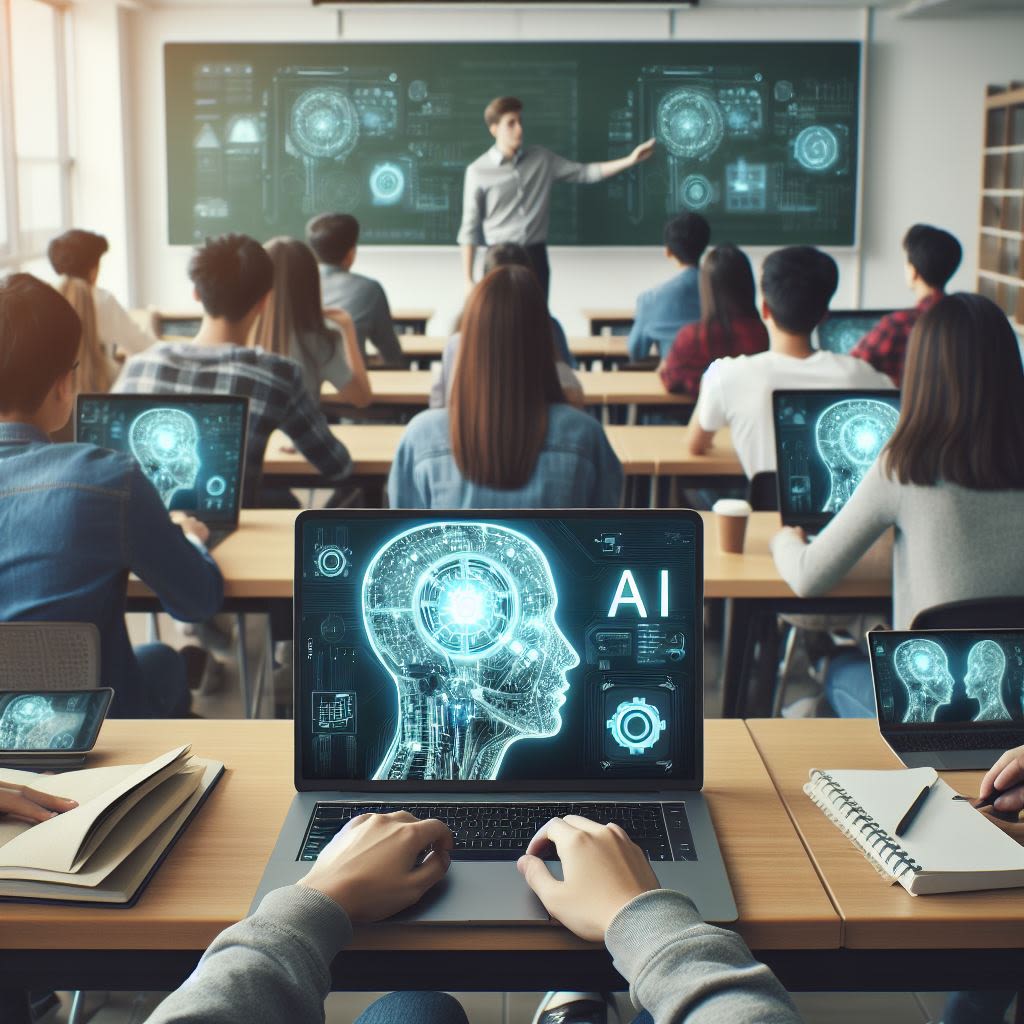
AI in higher education refers to the use of machine learning, data analytics, natural language processing, and automation technologies to enhance teaching, learning, and administration within colleges and universities.
These systems analyze large volumes of academic data to make informed decisions, predict student performance, and provide personalized academic support. Unlike traditional educational tools, AI adapts continuously based on learner behavior.
Key Applications of AI in Higher Education
Personalized Learning Experiences
One of the most impactful benefits of AI in higher education is personalized learning. AI-driven platforms analyze student performance, learning speed, and preferences to create customized study plans. This helps students focus on areas where they need improvement while advancing faster in subjects they understand well.
Personalized learning increases engagement, reduces dropout rates, and supports diverse learning styles.
Intelligent Assessment and Automated Grading
AI-powered assessment tools can evaluate assignments, quizzes, and exams with high accuracy. These systems reduce manual workload for faculty and ensure fair, unbiased grading.
Advanced AI tools can also provide instant feedback, allowing students to understand mistakes and improve continuously without waiting for results.
AI-Powered Teaching Assistance
AI supports educators by automating repetitive tasks such as attendance tracking, content recommendations, and performance analysis. Many educators are already adopting smart tools to enhance classroom efficiency.
A detailed overview of teaching-focused AI solutions can be found in this resource:
Best AI Tools for Teachers in 2025: Smart Teaching, Time Saving & Better Learning
This internal resource highlights how AI helps teachers save time while improving student outcomes.
Academic Research and Data Analysis
AI significantly accelerates academic research by analyzing complex datasets, identifying patterns, and generating insights. Researchers can use AI tools to review literature, detect trends, and even assist in hypothesis generation.
This allows universities to produce high-quality research in less time while maintaining academic integrity.
AI in Student Support Services
Predictive Analytics for Student Success
AI systems can predict which students are at risk of academic failure by analyzing attendance, grades, and engagement data. Universities can intervene early with counseling, tutoring, or financial support.
This proactive approach improves retention rates and overall student satisfaction.
AI Chatbots and Virtual Advisors
Many universities now use AI chatbots to assist students with admissions, course selection, deadlines, and campus services. These virtual advisors are available 24/7, providing instant support and reducing administrative burden.
Such systems enhance the student experience by offering quick and accurate information.
Ethical and Data Privacy Considerations
While AI in higher education offers many advantages, it also raises concerns about data privacy, transparency, and algorithmic bias. Universities must ensure responsible AI usage by implementing strong data protection policies and ethical guidelines.
Organizations such as UNESCO emphasize ethical AI adoption in education to promote fairness and inclusivity across global education systems.
For global AI education standards, institutions often refer to insights shared by UNESCO AI in Education as an authoritative external source.
Benefits of AI in Higher Education
- Enhanced learning personalization
- Improved academic performance
- Reduced faculty workload
- Better student retention
- Data-driven decision-making
- Increased accessibility for remote learners
AI enables universities to become more student-centric and future-ready.
Challenges in Implementing AI in Universities
Despite its benefits, AI adoption faces challenges such as high implementation costs, lack of technical expertise, resistance to change, and infrastructure limitations. Institutions must invest in faculty training and digital literacy to ensure successful AI integration.
Strategic planning and phased implementation are key to overcoming these challenges.
Future of AI in Higher Education

The future of AI in higher education is highly promising. Emerging technologies such as generative AI, virtual reality learning environments, and intelligent tutoring systems will further enhance academic experiences.
Universities that embrace AI early will gain a competitive advantage by offering innovative learning models and industry-relevant skills.
Frequently Asked Questions (FAQs)
What is AI in higher education?
AI in higher education involves using artificial intelligence technologies to improve teaching, learning, research, and administration in universities.
How does AI help students?
AI helps students through personalized learning, instant feedback, academic support, and 24/7 virtual assistance.
Is AI replacing teachers in universities?
No, AI supports teachers by automating tasks and enhancing instruction, but it does not replace human educators.
Is AI safe for student data?
AI can be safe if universities follow strict data privacy laws, ethical standards, and secure data management practices.
Final Thoughts
AI in higher education is revolutionizing the academic landscape by making learning more personalized, efficient, and accessible. While challenges exist, the long-term benefits of AI far outweigh the risks when implemented responsibly.
Universities that integrate AI thoughtfully will not only improve educational outcomes but also prepare students for an AI-driven future. As technology continues to evolve, AI will remain a powerful catalyst for innovation in higher education.