Discover the best AI tools for teachers in 2025 to save time, improve lesson planning, personalize learning, and enhance classroom productivity.
AI Tools for Teachers: A Complete Guide for Modern Educators
Artificial Intelligence is rapidly transforming the education sector, and teachers are among the biggest beneficiaries of this change. AI tools for teachers are designed to simplify daily tasks, enhance student engagement, and improve overall learning outcomes. From lesson planning to grading and personalized learning, AI-powered solutions are helping educators work smarter, not harder.
In 2025, the demand for AI in education has increased significantly as schools and institutions focus on efficiency, innovation, and student-centered learning. This guide explores how AI tools support teachers and why adopting them is essential in today’s digital classroom.
Why AI Tools Are Important for Teachers
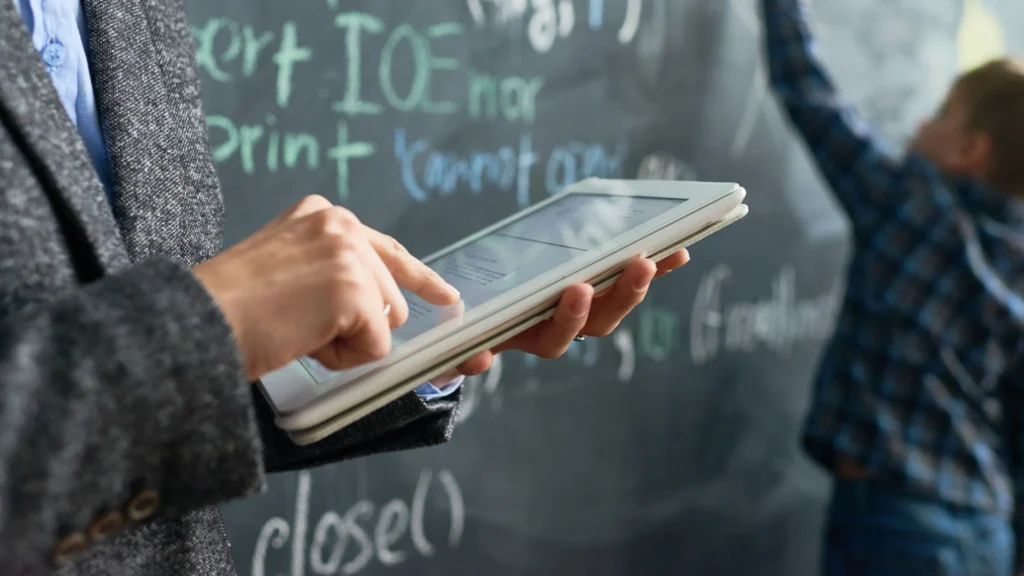
Teaching is no longer limited to textbooks and blackboards. Educators now manage lesson creation, assessments, student progress tracking, and communication with parents—all at the same time. AI tools reduce this workload by automating repetitive tasks and offering intelligent insights.
Key Benefits of AI for Teachers
- Saves time on grading and lesson planning
- Improves student engagement
- Enables personalized learning
- Provides real-time performance analytics
- Supports remote and hybrid teaching models
AI does not replace teachers; instead, it empowers them to focus more on creativity, mentoring, and student interaction.
Top Uses of AI Tools for Teachers
1. AI Lesson Planning Tools
AI-powered lesson planners can generate structured lesson plans based on curriculum requirements. Teachers can customize content for different grade levels and learning styles.
Benefits:
- Quick lesson creation
- Curriculum alignment
- Adaptable teaching materials
2. Automated Grading and Assessment
Grading assignments and quizzes consumes a large portion of a teacher’s time. AI tools can automatically assess multiple-choice tests, short answers, and even essays with reasonable accuracy.
Benefits:
- Faster feedback for students
- Reduced workload for teachers
- Consistent grading standards
3. Personalized Learning with AI
Every student learns differently. AI tools analyze student performance and recommend personalized learning paths, helping teachers address individual strengths and weaknesses.
Benefits:
- Better student outcomes
- Data-driven teaching decisions
- Improved student motivation
AI Tools for Classroom Management
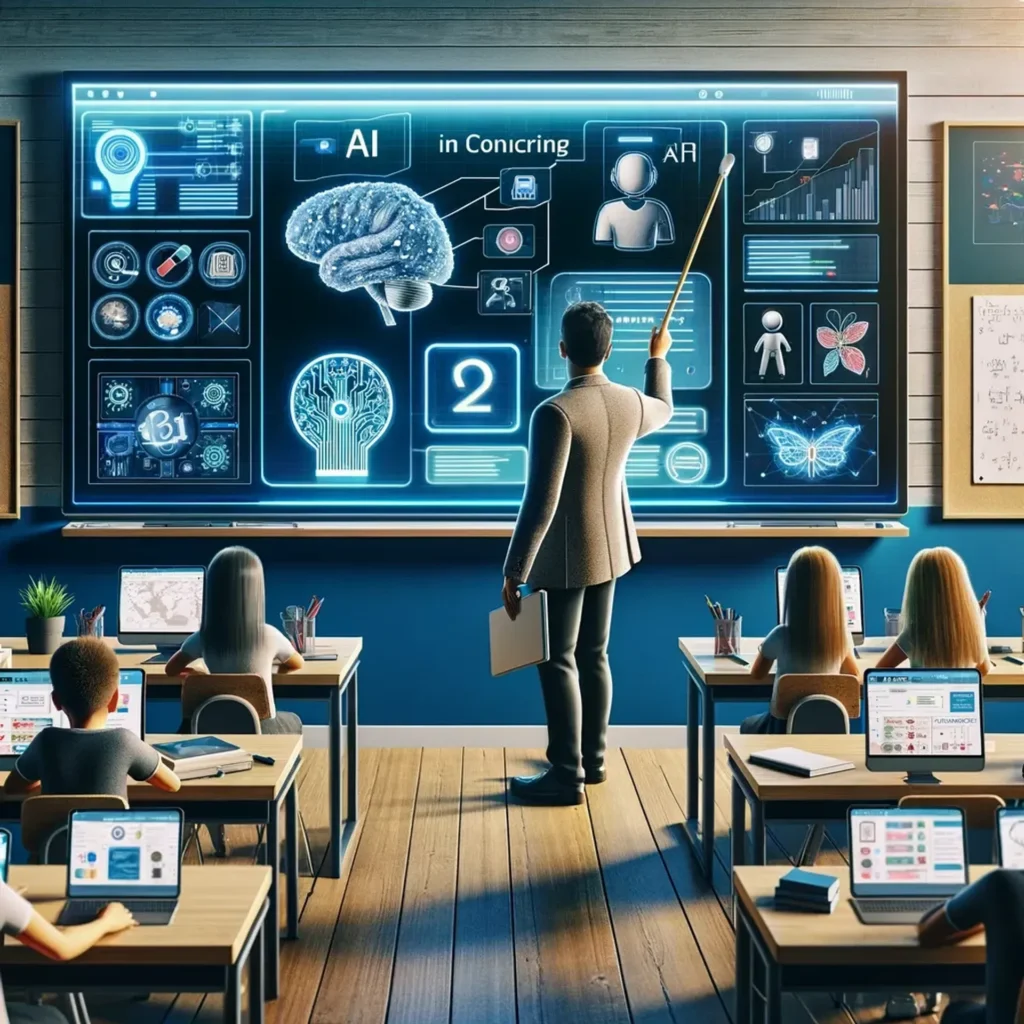
Smart Attendance Systems
AI-based attendance tools use facial recognition or digital check-ins to track student presence accurately and securely.
Behavior and Engagement Analysis
Some AI platforms analyze classroom behavior and engagement levels, helping teachers identify students who need extra attention.
I for Content Creation and Teaching Support
AI Writing Assistants for Teachers
Teachers can use AI tools to create worksheets, quizzes, presentations, and educational content in minutes. These tools also help in improving grammar, clarity, and readability.
Interestingly, many educators also explore AI tools initially developed for businesses. For example, learning from platforms that explain AI SEO Tools for Small Business: Boost Rankings & Save Time in 2025 can help teachers understand how AI optimizes content, which is useful for creating online learning materials and educational blogs.
AI-Powered Translation Tools
In multicultural classrooms, AI translation tools help teachers communicate effectively with students from different language backgrounds.
Challenges of Using AI Tools in Education
While AI offers many advantages, there are challenges teachers should consider:
Data Privacy Concerns
Student data protection is critical. Teachers should use trusted AI platforms that comply with data privacy laws.
Learning Curve
Some teachers may need training to effectively use AI tools, especially those unfamiliar with technology.
Dependence on Technology
AI should support teaching, not replace critical thinking and human interaction.
Best Practices for Teachers Using AI Tools

- Start with simple AI tools
- Ensure data security and privacy
- Combine AI insights with human judgment
- Encourage ethical use of AI in classrooms
For a broader understanding of AI in education, educators can explore trusted resources like UNESCO’s insights on AI and education.
unesco.org/en/artificial-intelligence/education
FAQs – AI Tools for Teachers
What are AI tools for teachers?
AI tools for teachers are software applications that use artificial intelligence to assist with lesson planning, grading, classroom management, and personalized learning.
Are AI tools safe for students?
Yes, if used responsibly and from reputable platforms that follow data protection and privacy regulations.
Can AI replace teachers?
No. AI supports teachers by automating tasks and providing insights, but human interaction and guidance remain essential.
Do AI tools require technical skills?
Most modern AI tools are user-friendly and require minimal technical knowledge.
Are AI tools expensive for schools?
Many AI tools offer free or affordable plans, making them accessible for schools and individual educators.
Final Thoughts
AI tools for teachers are no longer a luxury—they are becoming a necessity in modern education. By automating repetitive tasks, enabling personalized learning, and improving classroom efficiency, AI empowers educators to focus on what truly matters: teaching and inspiring students.
As we move further into 2025, teachers who embrace AI responsibly will gain a significant advantage in delivering high-quality, engaging, and effective education. The future classroom is smart, adaptive, and teacher-driven—with AI as a powerful supporting partner.