Discover the major disadvantages of AI in education, including ethical issues, reduced human interaction, data privacy risks, and overdependence on technology. A detailed SEO-optimized guide.
Disadvantages of AI in Education
Artificial Intelligence (AI) has rapidly transformed the education sector by introducing automation, personalization, and smart learning systems. While AI offers numerous advantages, it also presents serious challenges that cannot be ignored. Understanding the disadvantages of AI in education is crucial for educators, students, policymakers, and institutions aiming to adopt technology responsibly.
This article explores the hidden risks, ethical issues, and long-term impacts of AI-based education systems in a professional and balanced manner.
Lack of Human Interaction in Learning
One of the most critical disadvantages of AI in education is the reduction of human interaction. Traditional classrooms foster emotional intelligence, empathy, teamwork, and communication skills — elements that AI systems cannot fully replicate.
Emotional Disconnect Between Teachers and Students
AI-powered chatbots and automated systems lack emotional understanding. Students often require motivation, encouragement, and emotional support, which only human teachers can provide effectively.
Impact on Social Skills
Overreliance on AI tools may weaken students’ interpersonal skills, making them less prepared for real-world collaboration and communication.
Overdependence on Technology
AI-driven education systems can lead to excessive dependence on technology, reducing critical thinking and problem-solving abilities.
Decline in Independent Thinking
When AI provides instant answers and automated solutions, students may stop thinking creatively and analytically.
Reduced Teacher Authority
AI-based assessments and recommendations may undermine teachers’ professional judgment, limiting their role to system supervisors rather than educators.
Data Privacy and Security Risks
AI systems rely heavily on large volumes of student data, including academic performance, behavior patterns, and personal information.
Risk of Data Breaches
Educational institutions are increasingly becoming targets of cyberattacks. A single breach can expose sensitive student data.
Ethical Concerns
The misuse of student data for commercial purposes raises serious ethical and legal concerns. According to UNESCO, responsible AI usage must prioritize transparency and privacy unesco.org/en
Bias and Inequality in AI Algorithms
Another major disadvantage of AI in education is algorithmic bias.
Unfair Assessments
AI systems are trained on existing datasets, which may contain cultural, racial, or socioeconomic biases. This can result in unfair grading or recommendations.
Digital Divide
Not all students have equal access to AI-powered tools. Underprivileged regions may fall further behind, increasing educational inequality.
High Cost of Implementation and Maintenance
Implementing AI in education is expensive and resource-intensive.
Financial Burden on Institutions
AI software, infrastructure, training, and maintenance require significant investment, which many schools and universities cannot afford.
Continuous Upgrades
AI systems require constant updates and technical support, increasing long-term operational costs.
Job Displacement for Educators
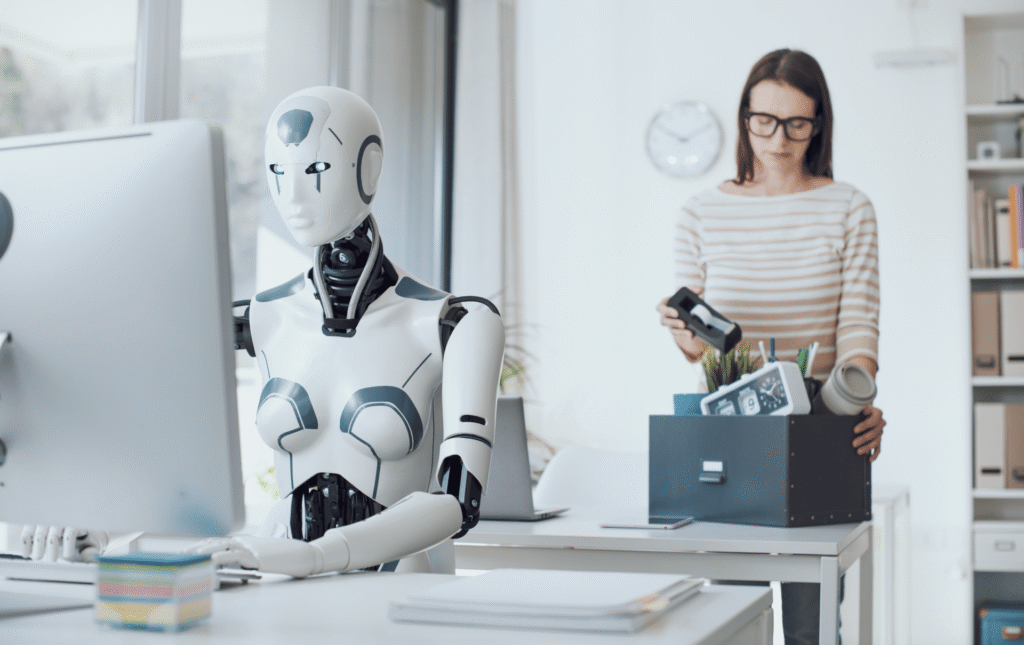
AI automation poses a serious threat to teaching jobs.
Reduced Teaching Opportunities
Automated grading, virtual tutors, and AI-driven content delivery may reduce the demand for human educators.
Fear of Replacement
This creates job insecurity among teachers and negatively impacts morale within the education sector.
Limited Creativity and Flexibility
AI systems operate based on predefined algorithms and data patterns.
Lack of Adaptive Teaching
AI cannot adapt to unexpected classroom situations or individual emotional needs as effectively as human teachers.
One-Size-Fits-All Risks
Despite claims of personalization, AI systems may still fail to address unique learning styles comprehensively.
Need for Balanced Integration
While AI can support education, it should not replace human involvement. A balanced approach is essential, as discussed in our detailed guide on
Pros and Cons of AI in Workplace and Education: Benefits, Challenges, and Future Outlook
This internal resource highlights why responsible integration is more effective than full automation.
Frequently Asked Questions (FAQs)
❓ Is AI bad for education?
AI is not inherently bad, but excessive or unregulated use can create serious educational, ethical, and social challenges.
❓ What is the biggest disadvantage of AI in education?
The lack of human interaction and emotional intelligence is considered the most significant drawback.
❓ Can AI replace teachers?
AI can assist teachers but cannot replace them due to the importance of emotional connection, mentorship, and creativity.
❓ How can AI risks in education be reduced?
By implementing ethical guidelines, data protection laws, teacher training, and balanced human-AI collaboration.
Final Thoughts
The disadvantages of AI in education highlight that technology alone cannot solve all educational challenges. While AI offers efficiency and innovation, its risks — including data privacy issues, reduced human interaction, bias, and job displacement — demand careful consideration.
Educational institutions must adopt AI responsibly, ensuring that technology enhances learning without compromising human values. A future-ready education system should combine human intelligence with artificial intelligence, not replace it.