Learn what is AGI in AI means, how it works, real-world examples, differences from narrow AI, benefits, risks, and future impact explained simply.
What Is AGI in AI? A Simple Explanation for Beginners
Artificial Intelligence is growing fast, but most systems we use today are limited to specific tasks. This is where a common question arises: what is AGI in AI, and how is it different from current artificial intelligence?
In real-world discussions about AI, AGI is often described as the next big step. Unlike today’s AI tools, Artificial General Intelligence aims to think, learn, and solve problems like a human across many fields.
What Is AGI in AI?
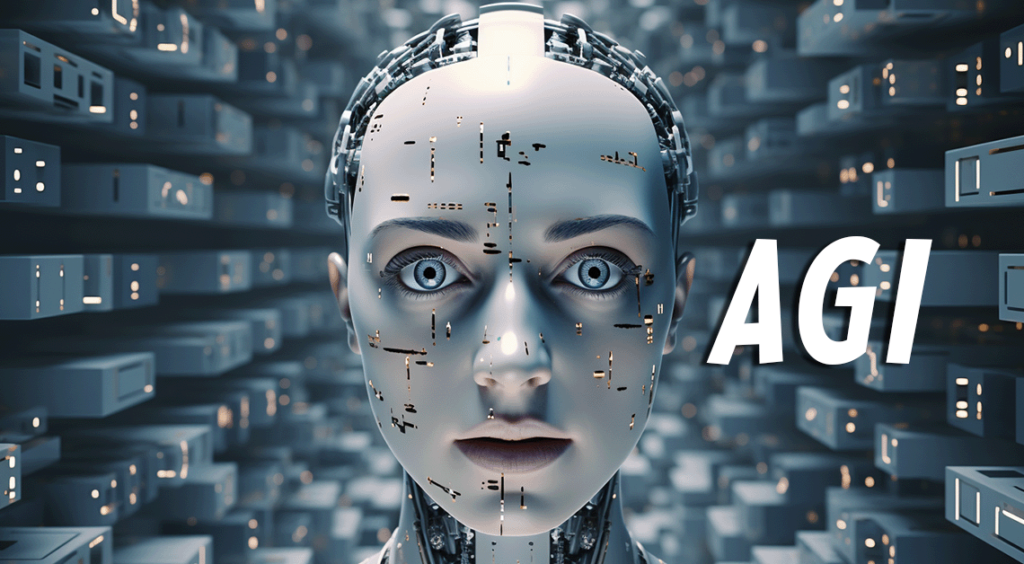
AGI stands for Artificial General Intelligence. It refers to a type of artificial intelligence that can understand, learn, and apply knowledge across different tasks without being trained for each one separately.
Unlike narrow AI, AGI is designed to adapt to new situations, reason logically, and improve itself through experience. This human-like flexibility is what makes AGI a major goal in AI research.
To understand the technology behind such systems, you can explore how an AI engine works and processes data.
How Does AGI Work? (Beginner Friendly)
AGI uses advanced algorithms and deep learning models that allow it to learn from experience just like humans do. It can:
- Understand natural language
- Reason logically
- Make decisions
- Learn new topics without needing new programming
- Adapt to any environment
Key Components of AGI
- Machine Learning (ML): Helps AGI learn from data automatically.
- Neural Networks: Brain-like structures that process information.
- Self-Learning Systems: AGI improves its intelligence over time.
- Reasoning Ability: It can solve unseen problems logically.
- Memory Systems: Stores knowledge and uses it in the future.
How AGI Is Different from Narrow AI
Most AI systems today are examples of narrow AI. They perform one task very well but fail outside their training area.
Key Differences:
- Narrow AI: Designed for specific tasks like chatbots or image recognition
- AGI: Can handle multiple tasks and learn independently
- Narrow AI: Needs retraining for new tasks
- AGI: Applies existing knowledge to new problems
This difference explains why AGI is considered a long-term innovation rather than a current reality.
Real-World Examples of AGI (Conceptual)
At present, true AGI does not exist, but researchers often describe theoretical examples to explain its potential.
For example:
- A single AI system that can write code, diagnose diseases, teach students, and manage businesses
- An AI that learns a new skill by reading or observing, without retraining
- A system that reasons, plans, and adapts like a human mind
These examples highlight why AGI could transform multiple industries at once.
How AGI Could Impact the Future of AI
AGI has the potential to change how humans interact with technology. Instead of using multiple tools, one AGI system could perform complex tasks across industries.
According to Google AI research guidelines, future AI development focuses heavily on safety, ethics, and human alignment.
You can also explore our detailed article on the future of artificial intelligence to understand how AGI fits into long-term trends.
Benefits of AGI in AI
Pros:
Higher efficiency across industries
Human-like learning and reasoning
Ability to solve new problems independently
Reduced need for task-specific training
Risks and Challenges of AGI
Despite its potential, AGI also raises serious concerns.
Cons:
- Ethical and safety risks
- Job displacement concerns
- High development and control costs
- Risk of misuse if not regulated
Because of these risks, most experts agree AGI development must be carefully controlled.
Future of AGI — What to Expect?

Experts believe AGI will bring:
- Human-like interaction
- Smarter decision-making
- Fully automated businesses
- Personalized AI companions
- Faster scientific discoveries
- Global economic growth
AGI will be the biggest technological shift since the invention of the internet.
AGI vs AI Tools Used Today
Today’s AI tools help with content writing, SEO, data analysis, and automation. However, they rely on predefined models and training.
AGI would go beyond these limits by thinking and adapting independently. Until then, modern AI tools remain assistants rather than autonomous thinkers.
If you want to see how current tools differ, read our guide on AI tools and engines.
Frequently Asked Questions (FAQs)
Is AGI already developed?
No, AGI is still a theoretical concept and has not been fully developed yet.
Can AGI replace humans?
AGI is designed to assist humans, but uncontrolled development could raise serious ethical concerns.
When will AGI become a reality?
Experts estimate that AGI could take decades, depending on technological and ethical progress.
Is AGI dangerous?
AGI itself is not dangerous, but misuse or lack of regulation could make it risky.
Final Thoughts
Understanding what is AGI in AI helps us see the future direction of artificial intelligence. While current AI tools are powerful, AGI represents a broader vision where machines can learn, reason, and adapt like humans.
Until AGI becomes a reality, responsible AI development and human oversight remain essential.
Written by PowerAIEngine Editorial Team
We publish research-based and beginner-friendly AI content.