Last Updated: January 24, 2026
Artificial Intelligence Explained in Simple Words | Beginner’s 2026 Guide
Learn what AI is, how it works, real-world examples, types of AI, benefits & future trends—all explained in simple words for beginners. Easy & practical!
What Is Artificial Intelligence?
Artificial Intelligence (AI) is the technology that enables machines to think, learn, and make decisions like humans. In simple words, AI allows computers to understand data, recognize patterns, and improve their performance over time without being explicitly programmed.
Today, AI is no longer a futuristic idea. It is already part of our daily lives. From smartphones and social media platforms to healthcare systems and online businesses, AI is shaping the modern digital world. This guide explains artificial intelligence in simple and beginner-friendly language.
What Is Artificial Intelligence in Easy Words?
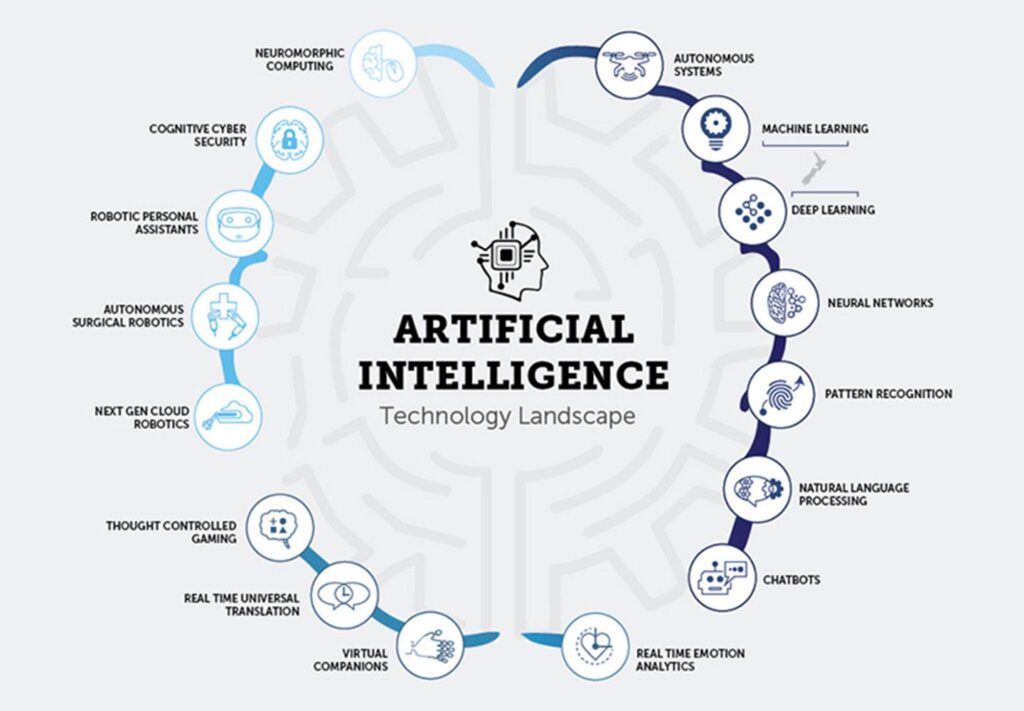
Artificial Intelligence means teaching machines to behave smartly.
Just like humans learn by observing things, AI systems learn by reading data. The more data they get, the smarter they become. For example:
- When you type something on your phone and it predicts the next word — that’s AI.
- When TikTok or YouTube shows videos you like — that’s AI.
- When Google Maps guides you on the road — that’s AI.
So, AI is simply computer intelligence created by humans to help machines perform tasks without needing step-by-step instructions.
How Does Artificial Intelligence Work?
Artificial Intelligence works through a combination of data, algorithms, and learning models. For beginners, the process can be understood in three simple steps.
Data Collection
AI systems require large amounts of data such as text, images, videos, or numbers. This data helps AI understand how things work in the real world.
Learning From Data
After collecting data, AI analyzes it to identify patterns. This learning process is known as machine learning, where systems improve automatically by learning from experience.
Decision Making and Improvement
Once trained, AI can make predictions or decisions. Over time, it improves its accuracy as it processes more data.
For example, when an AI system sees thousands of cat images, it learns how a cat looks. Later, it can recognize cats in new images.
Types of Artificial Intelligence
Understanding the types of AI helps beginners see how this technology is used.
Narrow AI (Weak AI)
Narrow AI is designed to perform specific tasks. It cannot think beyond its programmed purpose.
Examples include:
- Google Search
- Siri and Alexa
- Recommendation systems on YouTube and Netflix
Most AI tools used today fall under this category.
Machine Learning
Machine Learning is a subset of AI where machines learn automatically from data. Instead of being programmed with fixed rules, the system adapts based on new information.
To understand this concept in more detail, read this guide:
Deep Learning
Deep Learning is an advanced form of machine learning that uses neural networks similar to the human brain. It is commonly used in voice recognition, facial recognition, and self-driving cars.
Artificial General Intelligence (AGI)
Artificial General Intelligence is a theoretical concept where machines would have human-level intelligence. AGI does not yet exist and remains a future goal of AI research.
Real-World Applications of Artificial Intelligence
AI is already transforming many industries and daily activities.
Smartphones and Smart Devices
Features like face unlock, voice assistants, and predictive text are powered by AI.
Social Media Platforms
Platforms like Facebook, Instagram, and TikTok use AI to analyze user behavior and show relevant content.
Online Shopping
E-commerce platforms use AI to recommend products based on browsing and purchase history.
Healthcare
AI helps doctors analyze medical images, detect diseases early, and manage patient data efficiently.
You can also explore how AI will shape the future in this detailed article:
Benefits of Artificial Intelligence
Artificial Intelligence offers many advantages across different fields.
- Saves time by automating tasks
- Reduces human errors
- Improves decision-making accuracy
- Increases productivity
- Supports innovation and creativity
These benefits make AI essential for modern businesses and industries.
Challenges and Disadvantages of AI
Despite its advantages, AI also presents some challenges.
- Risk of job automation
- Data privacy and security concerns
- High development and maintenance costs
- Ethical and bias-related issues
To address these challenges, responsible and ethical AI development is necessary.
For a detailed and authoritative explanation of artificial intelligence, visit: Wikipedia
Why Should Beginners Learn Artificial Intelligence?
Learning AI provides long-term benefits, especially for beginners.
- High demand in the job market
- Better understanding of modern technology
- Opportunities in freelancing and online business
- Preparation for future digital careers
Basic AI knowledge is becoming a valuable skill in almost every profession.
Frequently Asked Questions (FAQs)
What is artificial intelligence in simple words?
Artificial intelligence means making machines smart enough to think, learn, and make decisions like humans.
Is artificial intelligence difficult to learn?
No. Basic AI concepts are easy to understand, and beginners can learn step by step.
Where is artificial intelligence used?
AI is used in smartphones, social media, healthcare, banking, education, and transportation.
Will AI replace humans?
AI will not replace humans completely. Instead, it will assist humans and improve efficiency.
Final Thoughts
Artificial Intelligence is one of the most important technologies of the modern era. For beginners, understanding AI does not require technical expertise—only curiosity and willingness to learn. By learning the basics of artificial intelligence today, you prepare yourself for a smarter and more competitive future.