Explore the pros and cons of AI in education, including benefits, challenges, real-world applications, and future trends. Learn how artificial intelligence is reshaping modern learning systems.
Pros and Cons of AI in Education
Artificial Intelligence (AI) is rapidly transforming the education sector across the globe. From smart classrooms to personalized learning systems, AI in education is no longer a futuristic concept—it is a present-day reality. Schools, colleges, and universities are adopting AI-driven tools to improve learning outcomes, reduce administrative workload, and enhance student engagement. However, along with its benefits, AI also brings several challenges that cannot be ignored.
This article explores the pros and cons of AI in education, helping educators, students, and institutions understand both sides before fully embracing this powerful technology.
What Is AI in Education?
AI in education refers to the use of machine learning algorithms, data analytics, and intelligent systems to support teaching, learning, and academic administration. These systems can analyze student behavior, automate repetitive tasks, and provide customized educational experiences.
Many universities are already adopting intelligent learning platforms, as discussed in
AI in Higher Education: Transforming Universities with Intelligent Learning Systems, which highlights how AI is reshaping modern higher education institutions.
Pros of AI in Education
1. Personalized Learning Experience
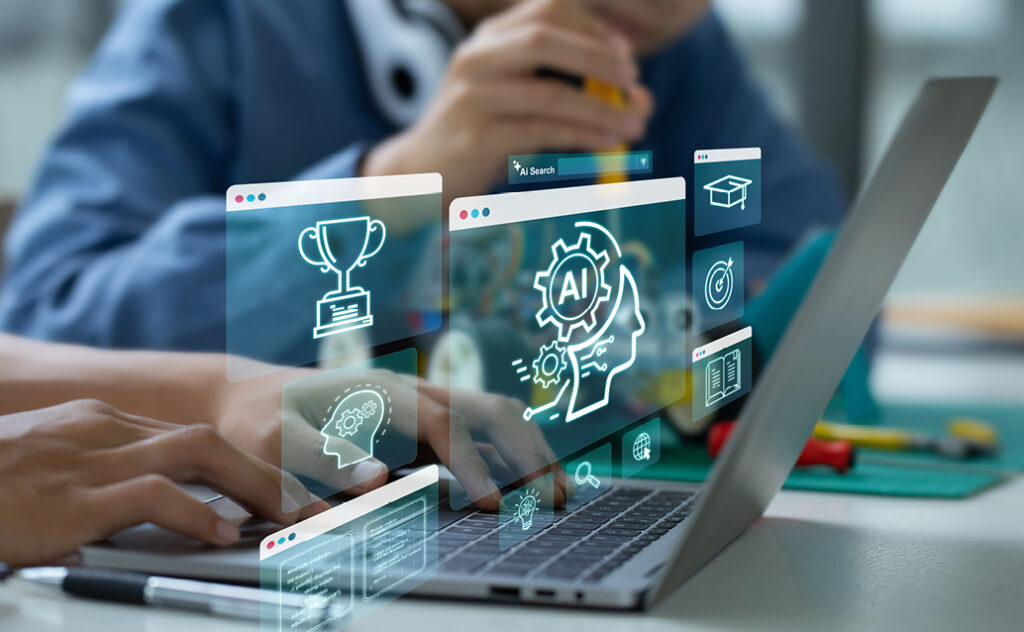
One of the biggest advantages of AI in education is personalized learning. AI-powered systems can analyze a student’s learning pace, strengths, and weaknesses, then tailor lessons accordingly. This helps students understand concepts better instead of following a one-size-fits-all approach.
2. 24/7 Learning Support
AI-based chatbots and virtual assistants provide round-the-clock support to students. Whether it is answering questions, explaining topics, or guiding assignments, students can get help anytime without waiting for teachers.
3. Reduced Administrative Workload
AI automates tasks such as grading, attendance tracking, and scheduling. This allows teachers to focus more on teaching, mentoring, and student engagement instead of spending time on repetitive administrative work.
4. Improved Accessibility and Inclusion
AI tools help students with disabilities by offering speech-to-text, text-to-speech, and adaptive learning technologies. This creates an inclusive learning environment where every student gets equal opportunities.
5. Data-Driven Decision Making
Educational institutions can use AI analytics to track student performance, predict dropout risks, and improve curriculum planning. These insights help schools and universities make informed decisions.
Cons of AI in Education
1. Lack of Human Interaction
One major drawback of AI in education is reduced human interaction. Emotional intelligence, empathy, and moral guidance are critical aspects of teaching that AI cannot fully replace.
2. Data Privacy and Security Risks
AI systems collect large amounts of student data. If not handled properly, this data can be misused or exposed to cyber threats. Data privacy remains a major concern for parents and institutions.
3. High Implementation Costs
Developing and maintaining AI-based educational systems can be expensive. Many schools, especially in developing countries, may not afford advanced AI infrastructure.
4. Teacher Skill Gap
Not all educators are trained to use AI tools effectively. Lack of technical skills can limit the successful integration of AI in classrooms and may even create resistance among teachers.
5. Over-Reliance on Technology
Excessive dependence on AI may reduce students’ critical thinking and problem-solving skills. Education should balance technology with traditional teaching methods.
Impact of AI on Teachers and Students
How AI Helps Teachers
- Saves time through automation
- Provides insights into student performance
- Supports lesson planning
How AI Affects Students
- Enhances learning flexibility
- Encourages self-paced learning
- May reduce face-to-face collaboration
According to UNESCO, ethical use of AI in education is essential to ensure fairness, transparency, and human-centered learning systems
Future of AI in Education
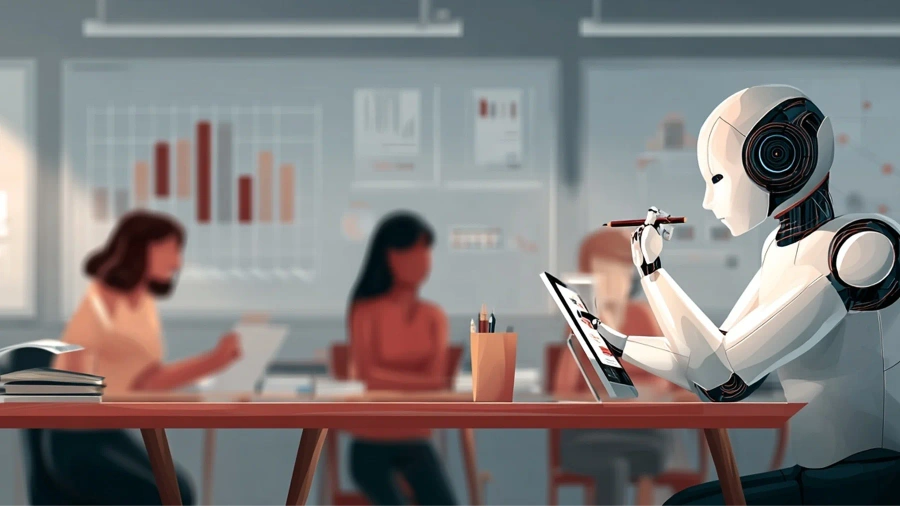
AI will continue to evolve and play a bigger role in education. Future classrooms may include intelligent tutors, immersive virtual learning environments, and real-time performance analysis. However, the success of AI in education depends on responsible implementation, ethical policies, and proper teacher training.
FAQs: Pros and Cons of AI in Education
Is AI good or bad for education?
AI is beneficial when used responsibly. It improves efficiency and personalization but should not replace human teachers.
Can AI replace teachers?
No, AI cannot replace teachers. It can support them, but human guidance, creativity, and emotional understanding are irreplaceable.
What are the biggest risks of AI in education?
Data privacy issues, reduced human interaction, and unequal access to technology are major risks.
How can schools use AI safely?
Schools should implement strong data protection policies, train teachers properly, and use AI as a supportive tool rather than a replacement.
Final Thoughts
The pros and cons of AI in education clearly show that artificial intelligence is a powerful tool with immense potential. While it enhances learning efficiency, accessibility, and personalization, it also presents challenges related to ethics, cost, and human connection. The key lies in balance—using AI to support education without losing the human touch that defines true learning.
When implemented wisely, AI can transform education into a smarter, more inclusive, and future-ready system.