Learn what Google algorithm updates in 2026 mean, how they work, and how websites can adapt to ranking, content, and search changes.
Introduction
Google search keeps changing to show better, more helpful results.
In 2026, these changes are expected to focus even more on content quality, user experience, and trust.
Understanding how updates work helps website owners avoid sudden ranking drops.
This guide explains the topic in a simple and practical way.
What are Google algorithm updates?
Google algorithm updates are changes made to the rules and systems that decide how websites rank in search results. These updates adjust how Google understands content, evaluates quality, and measures usefulness for users. They can affect rankings, traffic, and visibility across all types of websites.
Why are Google algorithm updates important in 2026?
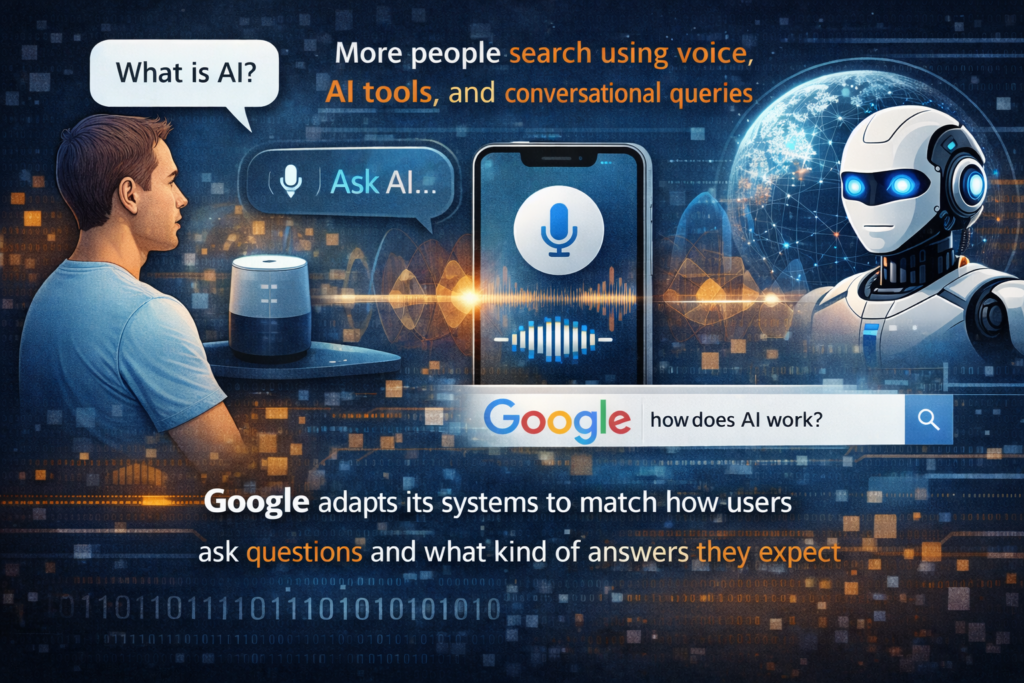
Google’s updates in 2026 matter because search behavior is changing quickly. More people now search using voice, AI tools, and conversational queries. Google adapts its systems to match how users ask questions and what kind of answers they expect.
These updates also aim to reduce low-quality or misleading content. Websites that focus on helpful information, clear structure, and real value are more likely to benefit. Ignoring updates can lead to traffic loss, even if a site performed well before.
How often does Google update its algorithm?
Google makes small changes to its algorithm almost every day and releases several larger core updates each year. Most updates happen quietly, while major ones can noticeably change rankings across many websites at once. There is no fixed schedule, and updates can roll out over days or weeks.
What ranking factors are expected to matter more in 2026?
In 2026, content quality and usefulness are expected to remain central ranking factors. Google increasingly rewards pages that clearly answer questions, use simple language, and stay focused on the topic. Content written for real users performs better than content written only to rank.
User experience signals are also becoming stronger. Page speed, mobile usability, clear navigation, and readable layouts all help Google understand whether users find a page helpful. Trust-related signals, such as accurate information and transparent authorship, also play a bigger role.
How do Google algorithm updates affect content quality?
Algorithm updates push websites to improve how they create and present content. Thin pages, copied text, or content written without real knowledge often lose visibility after updates. Google’s systems are better at detecting whether content actually helps users.
High-quality content in 2026 focuses on clarity, relevance, and completeness. Pages that explain topics step by step, avoid exaggeration, and stay updated tend to perform more consistently. This approach aligns well with long-term search stability rather than short-term gains.
What should website owners do after an update?
After an update, website owners should first review changes calmly instead of making quick fixes. Checking which pages lost or gained traffic helps identify patterns. Often, drops are linked to content depth, clarity, or outdated information rather than technical errors.
Improving existing pages usually works better than creating new ones. Updating facts, simplifying language, and improving page structure can help recovery over time. For long-term planning, topics like ai in Digital marketing are closely connected to how modern content strategies evolve, especially when combined with emerging tools and platforms.
Are there risks or limitations with frequent updates?
Frequent updates can make rankings feel unpredictable, especially for small or new websites. Even high-quality sites may see temporary drops as Google tests changes. This can be frustrating for publishers who rely heavily on search traffic.
However, updates are not meant to punish websites randomly. Over time, sites that stay consistent, helpful, and user-focused usually recover. Exploring future-focused planning, such as ai business idea 2026 related opportunities, can also help businesses reduce dependence on a single traffic source.
How Google updates compare to earlier years
Compared to earlier years, Google’s 2026 updates are more refined and less about sudden rule changes. Instead of targeting single tactics, updates now evaluate overall usefulness and trust. This makes it harder to manipulate rankings with shortcuts.
Earlier updates often focused on specific issues like links or keywords. In contrast, modern updates look at the full picture, including context, intent, and satisfaction. Official guidance shared by developers.google related resources shows a clear shift toward long-term quality rather than quick optimization tricks.
FAQs
Do Google algorithm updates penalize websites?
Most updates do not apply penalties. They re-rank content based on usefulness, which can cause some sites to move down.
Can a website recover after a ranking drop?
Yes. Improving content quality, accuracy, and user experience often helps recovery over time.
Are all updates announced by Google?
No. Only major core updates are usually announced. Many smaller changes happen without notice.
Should content be rewritten after every update?
Not always. Updates are a good time to improve clarity and accuracy, but unnecessary rewrites can hurt.
Is one update more important than others?
Core updates usually have the biggest impact, but long-term success depends on consistent quality across all updates.